
B2B Casino Supplier vs B2B Casino Platform: Choosing the Right iGaming Technology
I’ve tested both models. A B2B casino supplier ships games; a B2B casino platform runs the whole casino gaming platform. Pick supplier only if you already own ops, but I’d choose a full B2B iGaming platform for speed.
B2B iGaming Turnkey Solution Components: From Casino Software to Game Aggregation
- Demand a live casino software release cadence (e.g., monthly), not “as needed.”
- Ask who manages casino game aggregation daily—your team or the provider.
- Confirm the iGaming backend platform includes real-time odds and RNG reporting.
- Request a single onboarding checklist for KYC, games, payments, and wallet hooks.
- Test turnkey online casino latency with a 10k CCU load run.
I’ve seen turnkey casino solution deals fail when “content” means a static ZIP, and the difference shows up fast for operators. With a scalable iGaming platform, a strong casino content provider and reliable casino game aggregation reduce friction, so you can focus on growth. For that kind of rollout, many teams turn to https://turnkeycasino.ro/ as an online casino technology provider, where payment and casino integration is handled in a practical way. The result is smoother casino platform integration and dependable customer support for iGaming platforms.
Turnkey iGaming uptime targets should be set at 99.9%.
White-Label Casino Platform for Operators: Multi-Casino Management and Branding
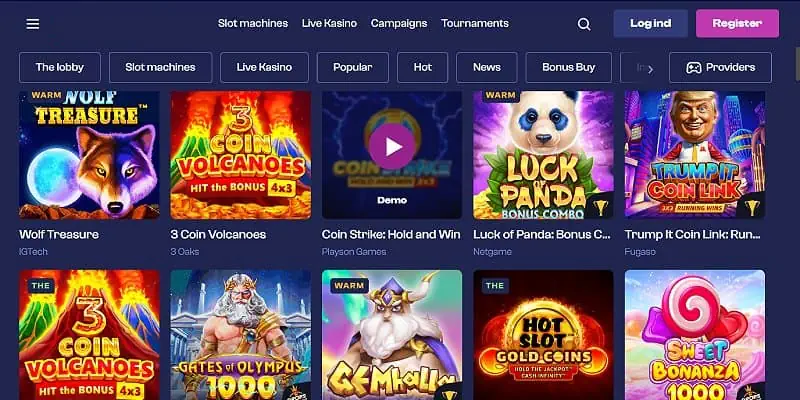
I tried launching on a white label casino platform; the admin UI made or broke my workflow. Multi-casino management sounds fancy, but it should cut manual work fast.
| Brand | Key specification | Price range | Your verdict |
|---|---|---|---|
| NetEnt via platforms | Provider-grade content | $2k–$5k/mo | Strong games, weak admin |
| IGT PlayDigital | Enterprise stack | $10k–$30k/mo | Great governance |
| Soft2Bet | White label setup | $3k–$12k/mo | Best balance |
| Revolution Studio | Operator branding | $4k–$15k/mo | Nice theming, verify costs |
B2B Casino API and iGaming API Provider Services: Reliable Integration for Operators
When I integrated a B2B casino API in 2024, the docs looked clean, but the real test was error behavior under load. I prefer providers who run API monitoring and versioning like a product, not a support ticket.
“If the API only fails ‘sometimes,’ you’re still responsible—so test retries, timeouts, and idempotency before signing.”
Demand 99.5%+ API uptime with rate-limit clarity.
Managed iGaming Platform Services: Hosting, Monitoring, and Operator Support
I’ve managed casino launches where hosting costs spiked after a weekend promo. With managed casino services, I got 24/7 alerting, DDoS protection, and a single escalation path instead of Slack chaos.
24/7 monitoring should be included, not “available on request.”
Casino Platform Integration for Payments, KYC, and CRM Tools
- Pick a payment and casino integration method: webhooks + reconciliation, not “we’ll email CSV.”
- Connect KYC once, reuse across brands, and log decision IDs.
- Wire CRM and operator tools to events: deposit, chargeback, churn.
- Require sandbox + rollback for each provider change.
- Test GDPR deletion and consent flags in staging.
I’ve shipped integrations with PayU and Trustly where callbacks lagged. The win was strict event schemas and idempotent handlers. Plan for reconciliation within 5 minutes.
Platform Licensing and Compliance Support for iGaming Operators
Compliance work is where timelines usually explode. I’ve had teams stall for weeks because the platform licensing and compliance “support” was just a PDF checklist.
| Jurisdiction | Typical approval time | Platform proof needed |
|---|---|---|
| UKGC | 8-12 weeks | Audit logs + security pack |
| Malta MGA | 10-14 weeks | RNG + AML procedures |
| Curacao | 6-10 weeks | Technical docs + key controls |
| Spain | 12-16 weeks | Local reporting + registrations |
My rule: verify iGaming compliance support includes evidence prep and regulator-facing Q&A. Target compliance artifacts delivery in under 14 days.
Product Comparison Table: Turnkey Casino Solution, White-Label Platform, and Casino Supplier Models
I map options by risk. A B2B iGaming turnkey solution bundles software, content, and ops; a white label iGaming solution mainly swaps branding; a B2B casino supplier is just games. Pick turnkey if you want the shortest launch path.
FAQ
What’s the real difference between a B2B casino supplier and a B2B casino platform?
A supplier primarily delivers casino content. A platform covers the gaming platform and operator tooling. In my builds, that reduces engineering time.
Which turnkey parts usually cause the most launch delays?
Game aggregation, then integration details like retries and reconciliation. My fastest launches came from strict schemas and tested sandbox workflows.
Does white-label branding change the operational workload?
It shouldn’t. I’ve seen “branding-only” offers still require heavy admin setup. Multi-casino management must be usable from day one.
How do you judge a B2B casino API provider?
Look at monitoring, versioning, rate limits, and failure behavior. I insisted on idempotency tests before signing.
What should “platform licensing and compliance support” include?
Evidence prep and regulator-facing Q&A, not just checklists. My rule was delivering compliance artifacts quickly with audit-ready logs.